
Allergies · 6 min read
Seasonal Allergies in Western UP: Dust, Crop Smoke and What Helps
Allergy flares in Western UP follow a fairly predictable calendar: mustard and tree pollen in late winter, dust and loo in summer, damp and mould in the monsoon, and crop-residue smoke through October and November. Knowing your own season lets treatment start before the flare rather than during it.
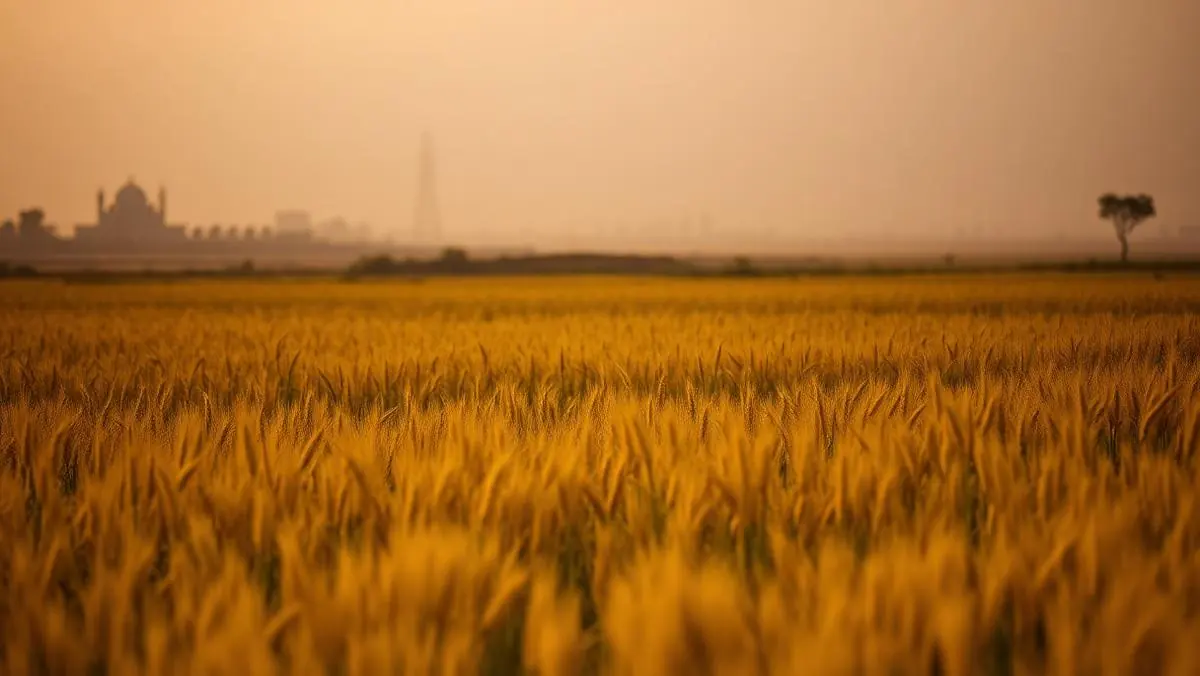
An allergy calendar for Bulandshahr and around
- February–March: mustard flowering and tree pollen — sneezing bouts, itchy eyes, early-morning nasal block.
- April–June: dry dust and hot winds — throat irritation, dry cough, worsening eczema.
- July–September: humidity and mould in damp walls — wheezing, fungal skin patches, blocked sinuses.
- October–November: crop-residue burning and falling temperatures — the sharpest spike of the year in cough and breathlessness.
- December–January: fog, smoke and cold air — night cough, chest tightness, chapped and itching skin.
Why the same season hits people differently
Two people breathing the same November air will not react the same way. One gets a streaming nose that stops indoors; another gets a dry night cough that worsens lying down; a third gets hives. The trigger is shared, the response is individual — and homoeopathic prescribing works from that individual response, not from the season alone.
This is why keeping a short note of your own pattern is genuinely useful: which weeks are worst, what time of day, what settles it, and what else changes at the same time — sleep, appetite, mood.
Practical steps that reduce the load
- Keep windows shut in the early morning during pollen and smoke weeks; air the house at midday instead.
- Rinse the nose with saline after being outdoors on high-dust days.
- Wash bedding weekly in hot water and keep the mattress covered during dust-mite months.
- Dry damp walls and check for mould before the monsoon, not after.
- Change and shower after a long ride on a dusty road, before sitting on the bed.
How homoeopathic treatment is planned
For someone with a clearly seasonal pattern, the aim is to begin constitutional treatment a few weeks before the usual flare, so that the season arrives with the body better prepared rather than the remedy chasing an attack already underway.
During a flare, remedies are chosen on the current symptom picture — the character of the discharge, the timing, what relieves it. Between seasons, the focus shifts to the underlying sensitivity. Both stages need review; neither is a single-prescription affair.
Commonly indicated remedies and their symptom pictures
Remedies below are listed for education only. Homoeopathic prescribing is individualised — the right remedy depends on your complete symptom picture, not the diagnosis alone. Please do not self-medicate.
| Remedy | Symptom picture |
|---|---|
| Allium cepa | Streaming, burning nasal discharge with bland watering eyes; worse in a warm room, better in open air. |
| Arsenicum album | Thin burning discharge, restlessness and anxiety, worse after midnight, better for warm drinks and warmth. |
| Natrum muriaticum | Sneezing bouts with egg-white discharge, loss of smell and taste, often in reserved patients who crave salt. |
| Sabadilla | Violent, repeated sneezing with itching in the nose and palate, triggered by pollen and strong smells. |
| Dulcamara | Symptoms appearing with damp, cold weather changes and after rain; blocked nose in damp air. |
When to see a doctor
- Breathlessness or audible wheezing, especially at night or on exertion.
- Fever with the allergy symptoms, or thick coloured discharge lasting more than a week.
- Swelling of lips, tongue or face, or any difficulty swallowing — seek emergency care immediately.
- Symptoms severe enough to disturb sleep or keep a child out of school repeatedly.
- An existing asthma diagnosis with increasing need for the reliever inhaler.
Frequently asked questions
Discuss your case with Dr. Puneet Garg
Every plan starts with an unhurried consultation. Book on WhatsApp or call the clinic directly.